

Exploring Alpine Workshop Techniques: Building on Our Bulb Lasagne Experience

Gardening enthusiasts who joined us last November for the bulb lasagne workshop know how rewarding layering bulbs can be. This April, we are excited to take those skills further with our Alpine workshop. Alpine gardening offers a unique challenge and charm, focusing on cultivating hardy, low-growing plants that thrive in rocky, well-drained environments. This post explores how the techniques from the bulb lasagne workshop set a strong foundation for success in alpine gardening and what you can expect from the upcoming workshop.
Join us on the 25th or 26th April, 10am in our garden workshop in Otley.
The pot, plants, soil, grit and stone toppers are included. You are welcome bring along any attractive looking stone from home that you would like to add to your pot.
The session includes a break for coffee and homemade cake.
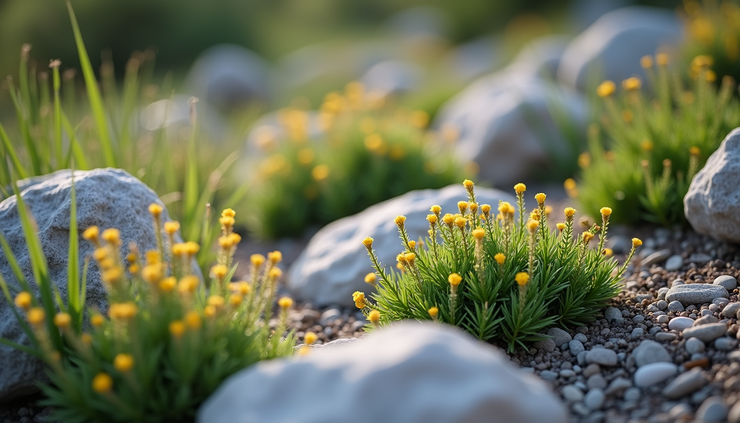
Why Alpine Gardening Builds on Bulb Lasagne Skills
Bulb lasagne involves planting bulbs in layers to create a continuous bloom cycle. This method teaches patience, soil preparation, and understanding plant needs at different depths. Alpine gardening shares some of these principles but adds new elements:
Soil Composition: Alpine plants require gritty, well-drained soil.
Plant Selection: Alpine plants include a wide range of perennials, succulents, and small shrubs adapted to harsh conditions.
Microclimate Awareness: Alpine gardening demands attention to sun exposure, wind protection, and drainage, which are critical for plant survival.
The bulb lasagne workshop gave participants hands-on experience with soil layering and timing, which are essential when creating alpine beds that mimic mountain environments.
Preparing Your Alpine Garden Bed
Creating an alpine garden bed starts with replicating the natural conditions these plants prefer. Here’s how to prepare:
Choose the Right Location
Select a sunny spot with good air circulation. Alpine plants need plenty of light but also protection from excessive moisture.
Improve Drainage
Incorporate coarse sand, grit, or small gravel into your soil to prevent waterlogging. Raised beds or rockeries work well.
Add Rocks and Stones
Rocks provide structure, retain heat, and create microhabitats. Arrange stones to form crevices where plants can root and find shelter.
Test Soil pH
Most alpine plants prefer neutral to slightly alkaline soil. Adjust pH with lime if necessary.
By focusing on these steps, gardeners can create a thriving environment for alpine species, building on the soil preparation skills learned in the bulb lasagne workshop.
Selecting Alpine Plants for Your Garden
Alpine plants vary widely, but some popular choices include:
Saxifraga
Known for their rosette forms and delicate flowers, saxifragas thrive in crevices and rocky soil.
Sempervivum
These succulents are drought-tolerant and form attractive mats.
Edelweiss (Leontopodium alpinum)
A classic alpine flower with woolly white blooms.
Alpine Aster
Produces vibrant daisy-like flowers in late summer.
When selecting plants, consider bloom times, growth habits, and hardiness zones. Combining species with staggered flowering periods ensures year-round interest.
Planting Techniques for Alpine Gardens
Planting alpine species requires care to mimic their natural conditions:
Use Crevices and Rock Gaps
Plant in small pockets of soil between stones to replicate mountain niches.
Avoid Overcrowding
Give plants space to grow and air to circulate, reducing disease risk.
Water Sparingly
Alpine plants are adapted to dry conditions; overwatering can cause root rot.
Mulch with Grit
Instead of organic mulch, use gravel or small stones to keep soil dry and prevent weeds.
These techniques build on the layering and timing skills from bulb lasagne planting but focus more on soil texture and microhabitats.
Caring for Your Alpine Garden Through the Seasons
Alpine gardens require seasonal attention to maintain health and appearance:
Spring
Remove winter debris and check drainage. This is a good time to plant new specimens.
Summer
Water during dry spells but avoid saturation. Deadhead spent flowers to encourage reblooming.
Autumn
Cut back dead foliage and prepare beds for winter by adding a light layer of grit.
Winter
Most alpine plants tolerate cold well, but protect tender species with frost cloth if needed.
Regular observation helps catch problems early and keeps your alpine garden vibrant.
What to Expect at the Alpine Workshop This April
Our upcoming workshop will guide participants through:
Building an alpine bed with proper soil mix and rock placement
Selecting and planting a variety of alpine species
Seasonal care tips tailored to local climate
Troubleshooting common issues like pests and drainage problems
Hands-on activities will reinforce the skills from the bulb lasagne workshop while introducing new techniques specific to alpine gardening.
To book a place:
Contact Kay via email at info@kdlandscape.design or the messaging service on the website.


Comments